Why choose a vasectomy?
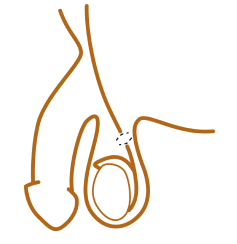
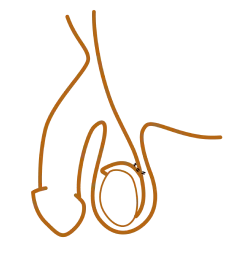
A vasectomy prevents men from fathering children in the future. It is rare for the tubes to rejoin, but this does happen in around one in 2,000 cases.
There are many reasons to choose a vasectomy. If you are happy with the size of your family, or do not want to worry about having children, it is a safe and effective option.
A vasectomy gives you control over your fertility and frees you from the worry or inconvenience it can bring.
Choosing a vasectomy is always a very personal decision. If you have a partner, we recommend talking it through with them so you are both in agreement.
Preparation for a vasectomy
Before a vasectomy, you will have a consultation with your doctor. The procedure is more than 99% effective first time. It does not reduce sex drive or stop you enjoying sex; it simply stops semen from containing sperm, so it cannot cause a pregnancy.
You need to be sure a vasectomy is right for you. It can be reversed, but a reversal may not be successful.
Vasectomy procedure
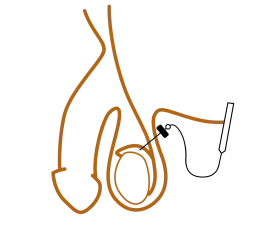
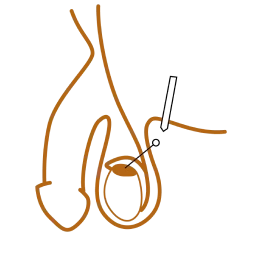
A vasectomy is quick, and you can be on your way home soon afterwards. You will have a local anaesthetic and stay awake during the procedure. Occasionally, a general anaesthetic is used instead, usually if you have a fear of needles or the sperm tubes are hard to feel.
There are two types of vasectomy. In a conventional vasectomy, the doctor makes two small cuts with a scalpel to reach the sperm tubes. In a no-scalpel vasectomy, a small puncture is made in the skin instead.
Recovery from a vasectomy
The scrotum may be bruised and swollen afterwards, and soreness in the testicles can last for a while. As with any surgery, there is a risk of infection.
You will have some discomfort in the groin for a few days. Over-the-counter pain relief can help, and ice packs and snug underwear can reduce swelling and pain. Avoid physical work and strenuous activity for a few days after the procedure.