

Our approach
At London Andrology, a step-by-step, closely monitored approach has proved especially helpful, particularly when a patient’s needs can be identified before surgery. This approach also underpins much of the international research we lead and contribute to.
Our clinic has been at the forefront of treating men with erectile dysfunction after prostate or pelvic surgery, and we have helped set up treatment guidelines in cancer hospitals in the UK and around the world, from Guy’s and St Thomas’ to The Royal Marsden.
Erectile problems usually happen because some prostate treatments can damage the nerves needed for an erection, while others affect the hormone levels needed to get and keep one.
Even if you cannot get a full erection, you can still have a sex life. Several treatments may help, although not everyone chooses to have treatment. Sex therapy and counselling can also help, and we can arrange an appointment with our Psychosexual Nurse and Relationship Therapist if you think it would be useful.
Diagnosis of erectile problems after prostate surgery
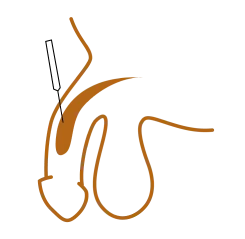
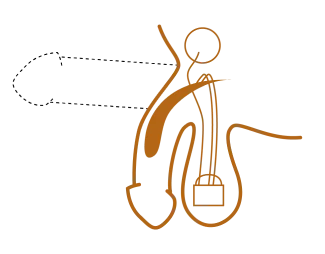
Surgery can affect the nerves around the prostate and lead to erectile dysfunction. The prostate is a small, walnut-sized gland in the pelvis that sits between the bladder and the rectum at the base of the penis. In a radical prostatectomy, the main operation for prostate cancer, the whole prostate and some surrounding tissue are removed.
Bundles of nerves needed for an erection run along either side of the prostate. If one or both are removed or damaged during surgery, erectile dysfunction can follow. Where possible, surgeons carry out nerve-sparing surgery to protect erectile function, but the nerves may need to be removed if cancer is found close by.
If problems last longer than two years, the erectile dysfunction is likely to be long term. Erectile dysfunction that continues for several years is likely to be permanent and may be because one or both nerve bundles were removed.
Symptoms of erectile problems after prostate surgery
How long does erectile dysfunction last after a prostatectomy? It affects almost every man in the first months after surgery, but most see a significant improvement within about a year. For some, it can take up to two years to recover fully and have regular erections.
The risk of erectile dysfunction after a prostatectomy rises with age. Men under 50 are the most likely to avoid it or to recover more quickly.
Where possible, the surgeon will carry out a nerve-sparing prostatectomy to protect the nerves that run close to the prostate. Men who have nerve-sparing surgery can still have erectile dysfunction afterwards, but they are more likely to recover erectile function within two years.
Treatment for erectile problems after prostate surgery
Penile rehabilitation aims to keep the blood vessels and tissues of the penis healthy and active. The patient deliberately achieves an erection two to three times a week, often starting within a few weeks of surgery. Your surgeon may also prescribe a low dose of erectile dysfunction medication, which relaxes the blood vessels to increase blood flow to the penis.
This medication can take time to work while the nerves recover, even after nerve-sparing surgery. Men with more severe nerve damage may not respond to it, and those with heart problems or who take alpha-blockers are not usually suitable for it.
If erectile dysfunction medication does not work, other options may help, including:
- Penile injections
- Urethral pellets
- A vacuum erection device
- Surgical implants: if other treatments have not helped, three surgical implant procedures are available
Related treatments and conditions


Research from our team
- Research paper 01Sexual function outcomes following prostate cancer treatment in sexual and gender minority populations: a mixed-methods systematic reviewRead article ↗
- Research paper 02Early low-intensity extracorporeal shockwave therapy for the preservation and restoration of erectile function after nerve-sparing radical prostatectomy: interim safety assessment.Read article ↗
- Research paper 03Guidelines for Sexual Health Care for Prostate Cancer Patients: Recommendations of an International PanelRead article ↗
- Research paper 04Detailing Sexual Outcomes After Focal Therapy for Localised Prostate CancerRead article ↗